

Persistent bloating, unexplained pelvic pain, or a constant feeling of heaviness in the lower abdomen are symptoms that many people learn to live with — often for years — without ever receiving a clear diagnosis. If this sounds familiar, you may be among the thousands of men and women affected by Pelvic Congestion Syndrome (PCS), a condition that remains widely underdiagnosed despite being very treatable.
At Best Ultrasound Clinic in Brentwood, Essex, our expert radiologists use state-of-the-art diagnostic ultrasound technology to identify the root cause of your symptoms quickly, comfortably, and with same-day results.
Table of Contents
What Is Pelvic Congestion Syndrome?
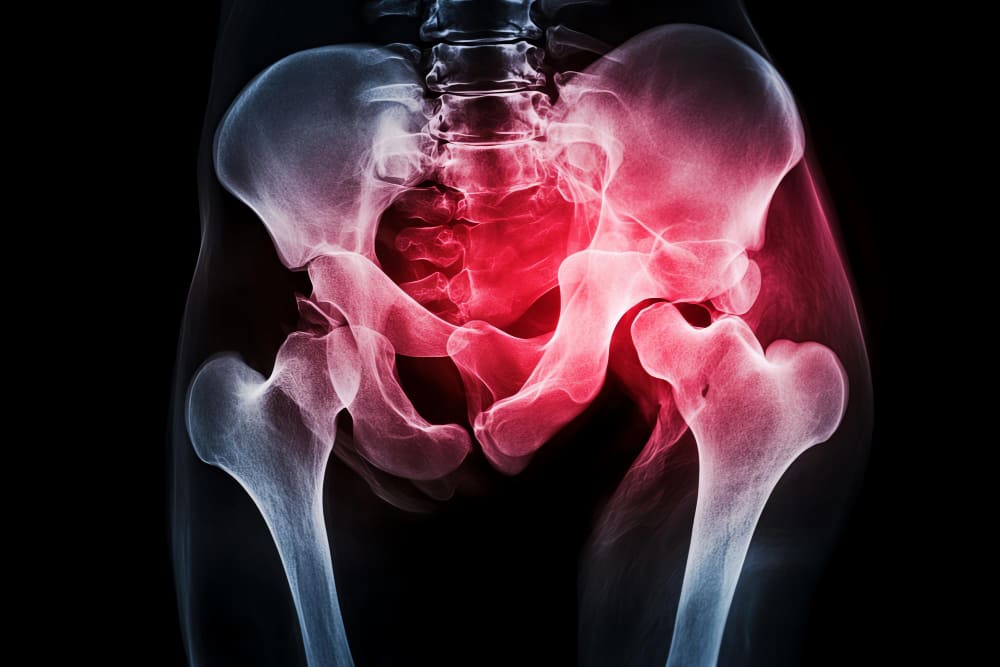
Pelvic Congestion Syndrome is a chronic condition caused by varicose veins that develop inside the pelvis — the same way varicose veins can appear on the legs, but in a location where they are completely invisible from the outside. These enlarged, poorly functioning veins allow blood to pool, creating pressure, inflammation, and the persistent pain and discomfort that characterises the condition.
Because PCS is internal and its symptoms overlap with many other conditions, it is frequently misdiagnosed as irritable bowel syndrome (IBS), endometriosis, or general pelvic inflammatory disease. Many patients wait years before receiving an accurate diagnosis.
Who Can Be Affected?
Although PCS is most commonly associated with women — particularly those who have experienced one or more pregnancies — it can affect men and women of all ages. In men, the condition may present as varicoceles (varicose veins around the testicles), which can also cause pelvic heaviness and discomfort.
Common Symptoms of Pelvic Congestion Syndrome
The symptoms of PCS can vary significantly from person to person, and their severity may fluctuate over time. The most frequently reported symptoms include:
- A dull, aching pain in the lower abdomen or pelvis that worsens throughout the day
- Persistent bloating or a feeling of heaviness in the pelvic area
- Pain that intensifies after prolonged standing, walking, or physical activity
- Discomfort that improves when lying down
- Pain during or after sexual intercourse (dyspareunia)
- Visible or felt varicose veins on the buttocks, thighs, or vulva
- Frequent urination or bladder urgency
- Irritable bowel-like symptoms without a confirmed IBS diagnosis
- In men: scrotal aching, a feeling of fullness in the testicle area, or visible varicoceles
If you recognise two or more of these symptoms, it is worth speaking to a specialist. Early diagnosis significantly improves treatment outcomes.
Why Does Pelvic Congestion Syndrome Cause Bloating?
Many patients are surprised to learn that their chronic bloating may not be related to digestion at all. In PCS, dilated pelvic veins press against surrounding abdominal and intestinal structures, creating a sensation of fullness and distension that closely mimics digestive bloating. This is why the condition is so commonly misattributed to dietary issues or IBS.
Positional changes — such as standing after sitting for long periods — can make symptoms more pronounced, as gravity increases venous pressure in the affected veins.
How Is Pelvic Congestion Syndrome Diagnosed?
Accurate diagnosis requires specialist imaging. At Best Ultrasound Clinic, we offer a comprehensive pelvic ultrasound scan that provides detailed, real-time visualisation of the pelvic blood vessels and surrounding structures. Our consultant radiologists are experienced in identifying the hallmarks of PCS, including:
- Dilated ovarian or pelvic veins (greater than 5–6mm in diameter)
- Sluggish or reversed blood flow detected by Doppler ultrasound
- Presence of multiple tortuous veins in the pelvic region
- Varicocele formation in male patients
Ultrasound is a safe, non-invasive, and radiation-free method of assessment. Our scans are performed by expert consultant radiologists, and your results are available the same day so you can move forward with confidence.
Why Choose Ultrasound for PCS Diagnosis?
Ultrasound — particularly Doppler ultrasound — is widely regarded as the ideal first-line imaging investigation for suspected Pelvic Congestion Syndrome. It allows direct visualisation of venous anatomy and blood flow patterns without the need for contrast agents or ionising radiation. For many patients, it eliminates the need for more invasive investigations.
What Happens After Diagnosis?
Receiving a confirmed diagnosis is the first and most important step. Once PCS is identified, a range of management and treatment options become available, and your GP or referring specialist can guide the most appropriate path based on your individual circumstances.
Treatment options for Pelvic Congestion Syndrome may include:
- Ovarian vein embolisation — a minimally invasive interventional radiology procedure that seals off the affected veins, often resulting in significant pain relief
- Hormonal therapies to reduce venous dilation and associated symptoms
- Pain management strategies tailored to chronic pelvic pain
- Lifestyle modifications and physiotherapy to improve venous return
- Surgical ligation in select cases
At Best Ultrasound Clinic, we work closely with referring clinicians and specialist teams to ensure a seamless diagnostic pathway. Our detailed same-day reports give your specialist everything they need to begin planning your treatment without delay.
When Should You Seek Help?
You should not have to live with unexplained pelvic pain or persistent bloating. These symptoms deserve thorough investigation — not assumptions or temporary relief measures. We encourage you to seek a specialist ultrasound assessment if:
- Your symptoms have persisted for more than three to six months
- Standard treatments for IBS or digestive conditions have not improved your symptoms
- Your pain is worse after standing, exercise, or at the end of the day
- You have noticed varicose veins around the pelvis, inner thighs, or vulva
- You have been told your symptoms are “stress-related” without further investigation
A targeted pelvic ultrasound scan can provide clarity within a single appointment, giving you answers and a clear next step.
Why Choose Best Ultrasound Clinic in Brentwood, Essex?
At Best Ultrasound Clinic, we combine diagnostic precision with a compassionate, patient-centred approach. Here is what sets us apart:
- Expert consultant radiologists with extensive experience in pelvic and vascular imaging
- State-of-the-art Doppler ultrasound equipment for accurate venous assessment
- Same-day results — no long waits for your report
- A safe, welcoming environment that puts you at ease
- Simple, one-step online booking for convenient appointments
- Dedicated men’s and women’s wellbeing scanning services
Whether you are seeking answers for yourself or supporting a loved one through a difficult diagnostic journey, our team is here to provide clarity, care, and expertise at every step.
Frequently Asked Questions About Pelvic Congestion Syndrome
Is pelvic congestion syndrome a serious condition?
PCS is a chronic but manageable condition. While it is not life-threatening, it can significantly impact quality of life if left undiagnosed and untreated. Early identification leads to better outcomes.
Can men develop pelvic congestion syndrome?
Yes. In men, PCS often presents as varicoceles — enlarged veins around the testicles. These can cause pelvic heaviness, discomfort, and in some cases may affect fertility. Ultrasound is equally effective for assessment in male patients.
Is the ultrasound scan painful?
No. Ultrasound is a completely non-invasive and painless procedure. A pelvic scan is typically performed abdominally or, if necessary, transvaginally (for female patients), and takes between 20 and 40 minutes depending on the scope of assessment required.
How quickly will I receive my results?
At Best Ultrasound Clinic, we provide same-day results. Following your scan, a consultant radiologist will produce a detailed written report that you can share directly with your GP or specialist.
Do I need a GP referral to book a scan?
No. You can self-refer and book your appointment directly through our simple online booking system at bestultrasoundclinic.co.uk. However, we always recommend sharing your results with your GP or a relevant specialist for ongoing management.
Book Your Pelvic Ultrasound Scan Today
If persistent bloating, pelvic pain, or unexplained heaviness has been affecting your daily life, do not wait any longer for answers. A specialist pelvic ultrasound scan at Best Ultrasound Clinic in Brentwood, Essex could be the first step towards understanding — and resolving — your symptoms.
Book your appointment today through our easy online booking system and receive your results the same day. Our expert team is ready to help you take control of your health.
📅 Book Your Scan Online: bestultrasoundclinic.co.uk
📍 Best Ultrasound Clinic | Brentwood, Essex | Same-Day Results