
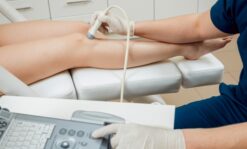
Musculoskeletal ultrasound scans
Introduction
Musculoskeletal (MSK) ultrasound is the gold standard for imaging soft tissues around joints and muscles. This dynamic scan examines tendons, ligaments, muscles, nerves, and joint spaces in real-time, making it superior to MRI for many conditions.
Common applications include shoulder pain (rotator cuff tears), tennis/golfer’s elbow, Achilles tendinitis, knee injuries, hip pain, and carpal tunnel syndrome. Unlike X-rays which only show bones, ultrasound reveals detailed soft tissue pathology and can assess movement dynamically.
Our expert radiologists specialize in MSK imaging and work closely with physiotherapists and sports medicine doctors. Perfect for athletes, active individuals, and anyone with joint or muscle pain in Brentwood and across Essex.
Areas We Examine:
Shoulder:
- Rotator cuff tendons (supraspinatus, infraspinatus, subscapularis, teres minor)
- Biceps tendon (long head)
- AC joint (acromioclavicular)
- Subacromial bursa
- Labral tears (limited assessment)
Elbow:
- Tennis elbow (lateral epicondylitis)
- Golfer’s elbow (medial epicondylitis)
- Triceps tendon
- Olecranon bursa
- Ulnar nerve
Wrist & Hand:
- Carpal tunnel syndrome (median nerve)
- De Quervain’s tenosynovitis
- Ganglion cysts
- Trigger finger
- Tendon tears
Hip:
- Hip flexor tendons
- Trochanteric bursitis
- Iliopsoas tendon
- Gluteus medius/minimus tears
- Hip labrum (limited view)
Knee:
- Patellar tendinitis (jumper’s knee)
- Quadriceps tendon
- Baker’s cyst
- Collateral ligaments (MCL, LCL)
- Meniscus (surface assessment)
- Bursal collections
Ankle & Foot:
- Achilles tendinopathy or tears
- Plantar fasciitis
- Peroneal tendon injuries
- Ankle ligament sprains
- Morton’s neuroma
- Tarsal tunnel syndrome
Common Conditions We Diagnose:
- Tendon pathology: Tears (partial/complete), tendinopathy, calcific tendinitis
- Ligament injuries: Sprains, partial tears, complete ruptures
- Muscle injuries: Strains, tears, haematomas
- Joint problems: Effusions (fluid), synovitis, arthritis
- Bursitis: Inflammation of fluid-filled sacs
- Nerve entrapment: Carpal tunnel, tarsal tunnel, ulnar nerve compression
- Ganglion cysts
- Foreign bodies
Why Choose Ultrasound for MSK Problems:
Advantages Over MRI:
- Real-time dynamic assessment (can scan during movement)
- Compare both sides easily
- Immediate results and discussion
- More comfortable (no confined space)
- Can guide injections precisely
- Better for superficial structures
Advantages Over X-ray:
- Shows soft tissues (tendons, ligaments, muscles)
- No radiation exposure
- Can detect inflammation
- Assesses blood flow
The Scan Process:
- Takes 20-30 minutes
- Involves moving the joint through range of motion
- May compare with opposite side
- Dynamic assessment (movement tests)
- Immediate discussion of findings
Who Benefits Most:
- Athletes with sports injuries
- Chronic pain sufferers unresponsive to treatment
- Pre-injection assessment for guided procedures
- Post-surgery monitoring
- Workplace injury assessment
- Anyone avoiding invasive tests
Combined with Treatment: MSK ultrasound is often the first step before:
- Ultrasound-guided injections (corticosteroid, PRP, Ostenil)
- Physiotherapy planning
- Surgical referral decisions
- Return to sport clearance
No Preparation Required:
- Wear loose, comfortable clothing
- Shorts for lower limb scans
- Vest or loose top for shoulder scans
- Bring previous MRI/X-ray reports if available